Modernizing enterprise product delivery
Shifting a multi-year waterfall roadmap into faster, customer-led delivery with measurable commercial outcomes.
A product leader and founder with 15+ years of experience across technology, business, and design — from early-stage ventures to global organizations.

Different industries. Different markets. The same question: did our work create value that matters?
I've spent over a decade building products across industries, technologies, and businesses at very different stages of growth. One thing that experience has consistently reinforced is that the success of a product isn't determined by how sophisticated the technology is, but by the value it creates for the people and businesses it serves.
Working across hardware, software, AI, and data-driven products has shown me how differently the same problem can be approached. An idea that works in manufacturing might solve an entirely different problem in healthcare or hospitality. Often, the most valuable insights come from looking beyond the conventions of a particular industry.
My experience spans building businesses from the ground up, helping early-stage teams make their first critical product decisions, and working with established enterprises where even small improvements can create substantial value at scale. These experiences have taught me that impact looks different at every stage — sometimes it's finding the first paying customer, sometimes it's discovering that an idea isn't worth pursuing, and sometimes it's improving a product used by thousands of people.
Working on-site in India, China, Poland, and Denmark, and collaborating with teams across the world, has added another dimension to that understanding. I've seen how the same product, process, or decision can affect people differently depending on their environment, expectations, and ways of working. It has reinforced a simple belief: meaningful outcomes begin with understanding the people affected by our decisions.
Today, that perspective shapes how I approach product management. I look beyond features and delivery milestones to understand whether we're solving the right problem, whether it aligns with why the organization exists, and whether the outcome genuinely matters to the customer.
Selected results from products I have helped shape, launch, and scale.
ARR retention supported by product enhancements
VERINTAcceleration in time-to-market through roadmap transformation
VERINTGrowth in recommendation-engine adoption
HRS GROUPReduction in customer complaints through ML-powered hotel scoring
HRS GROUPFrom connected hardware and global manufacturing to AI platforms and enterprise SaaS.
Owned strategy and roadmaps across enterprise workforce-management products, driving commercial enhancements and moving teams toward agile, customer-driven releases.
Led product strategy across core products, improved adoption through self-service workflows, and launched a machine-learning hotel-quality scoring platform.
Developed and scaled Industry 4.0 solutions across global factories, including computer vision quality inspection and predictive maintenance.
Helped build an industrial automation and IoT company, leading discovery, early product development, go-to-market, and enterprise customer acquisition.
A small selection of product problems I've worked on, spanning early product discovery, applied intelligence, and enterprise-scale execution.
Shifting a multi-year waterfall roadmap into faster, customer-led delivery with measurable commercial outcomes.
An ML-powered scoring platform evaluating more than 1.5 million hotels to improve quality and reduce complaints.
Digital transformation through computer vision, predictive maintenance, and rapid prototype-led validation.
Independent ventures and verified startup advisory engagements can be added here as distinct case studies, with your exact role and contributions clearly stated.
Product management is not only deciding what, why, when, and how to build. It starts by understanding why the organization exists, where it intends to go, and the needs, motivations, and circumstances of the people it serves. The right product decisions connect those realities.
That means working across customers, leadership, engineering, design, and commercial teams—not merely to coordinate delivery, but to establish a shared understanding of the problem, the opportunity, and how the solution supports the organization’s mission and strategy. Equally, evidence from customers should be allowed to change our strategic assumptions.
That demands being honest about our own blind spots. Sunk-cost bias makes it difficult to walk away from an investment. Confirmation bias encourages us to see what we hope is true. And experience can tempt us to believe we know our customers better than they know themselves.
In B2B, it gets even more complicated: the person who buys the product isn't always the person who uses it. A commercial win is not the same thing as meaningful user value. I want to understand both.
A product earns its place when someone chooses to spend their time, attention, or money on it—because it genuinely solves a problem that matters.
Study the person, the context, and the underlying need—not just the feature request.
Seek disconfirming evidence, question assumptions, and know when to change direction.
Make the value real for buyers and for the people using the product every day.
A few books that have shaped how I think about building, communicating, learning, and understanding people. These are my short reflections—not quotations from the books.

Fall in love with the customer problem, not the first solution that comes to mind.

Recognizing biases is a practical first step toward better decisions.

Listen for the emotions, constraints, and motivations behind what people say.
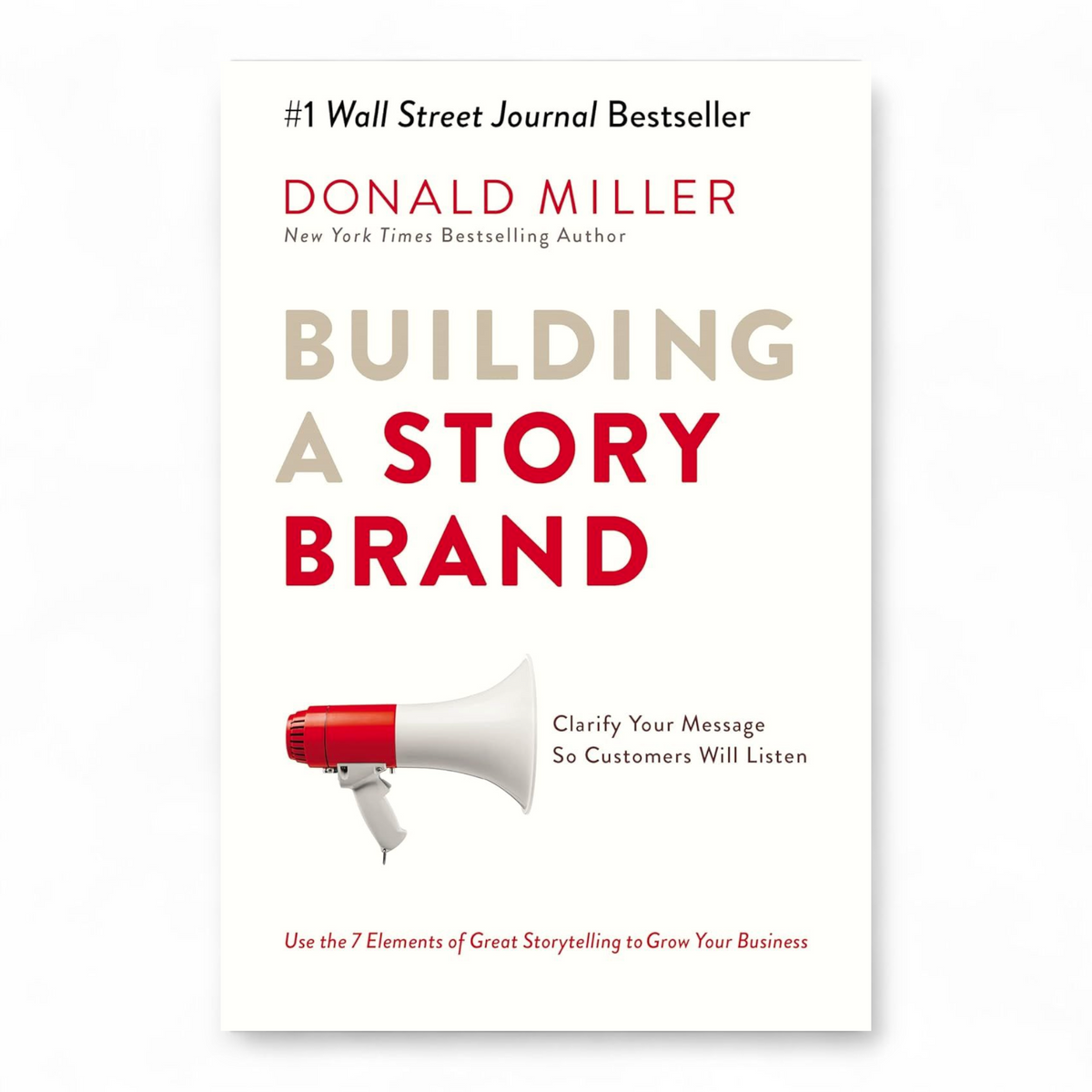
The customer is the hero; a product should help them succeed.

Create value and earn attention before asking people for something.

Strategy requires careful observation, timing, discipline, and adaptability.
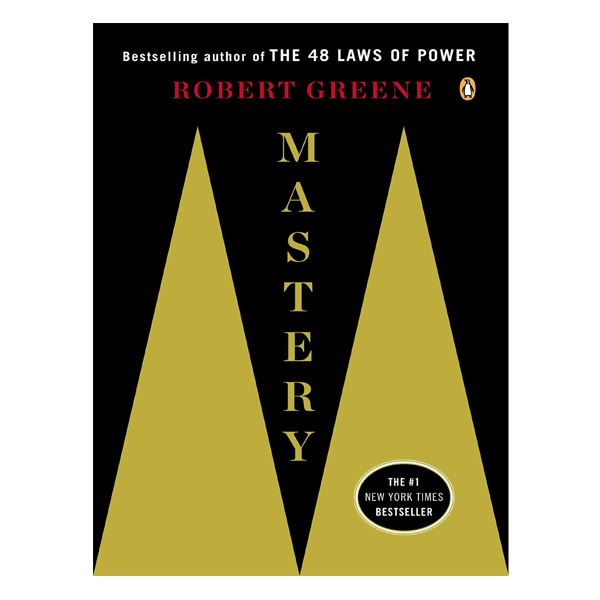
Expertise compounds through deliberate practice and sustained curiosity.
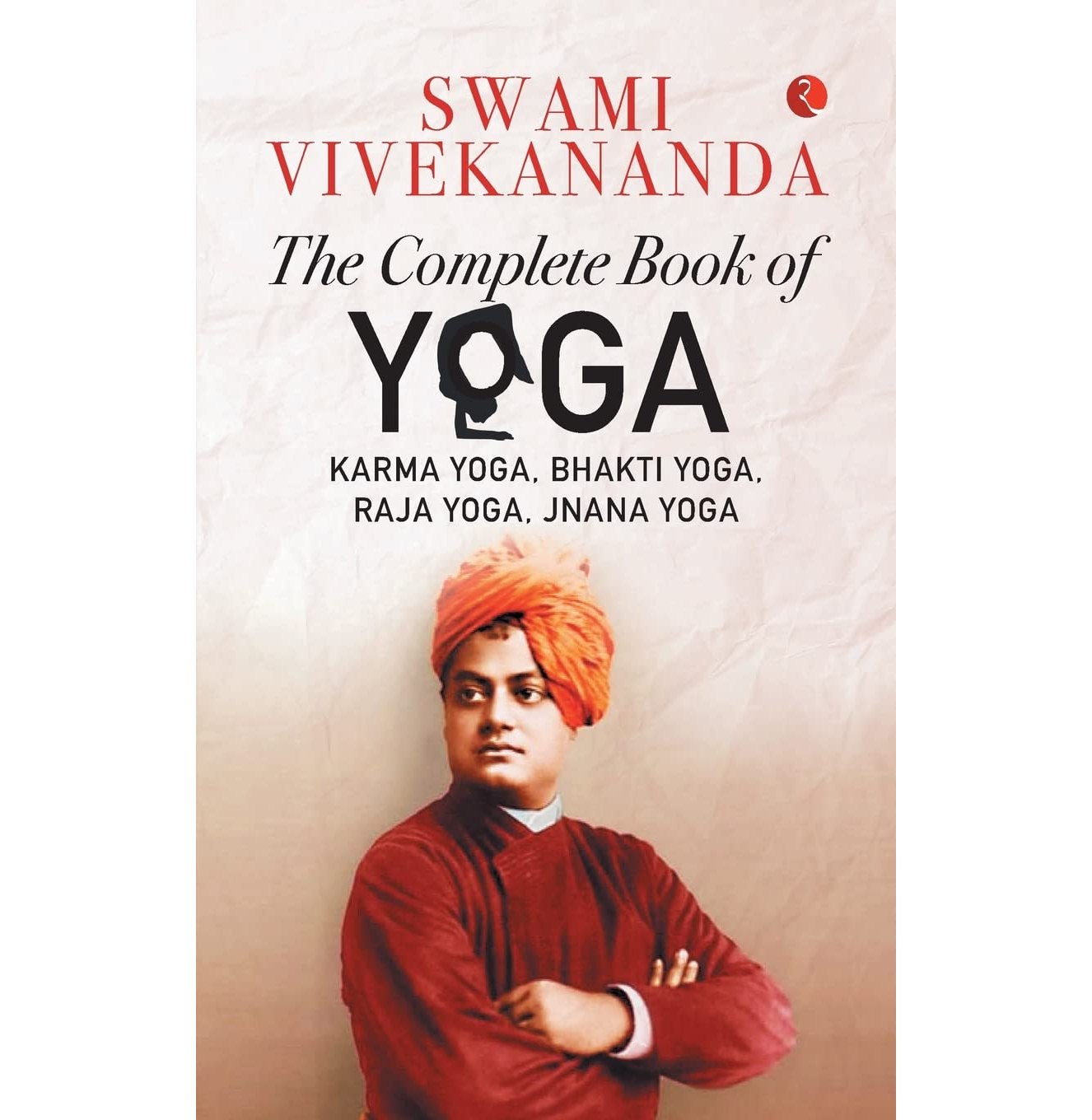
The practice of attention and self-understanding can shape how we act, learn, and make decisions.
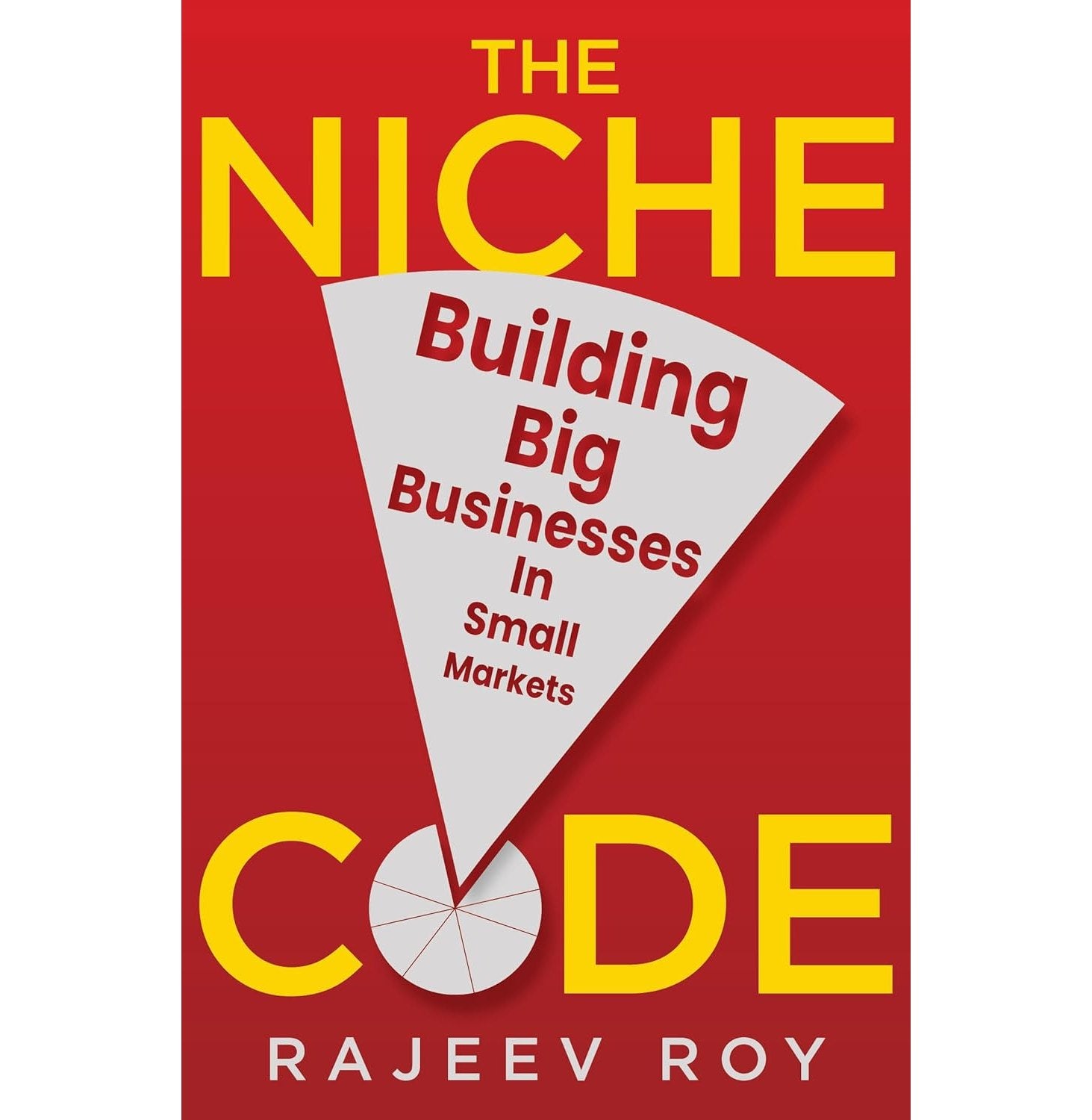
Serving a focused audience deeply can be more powerful than trying to serve everyone.
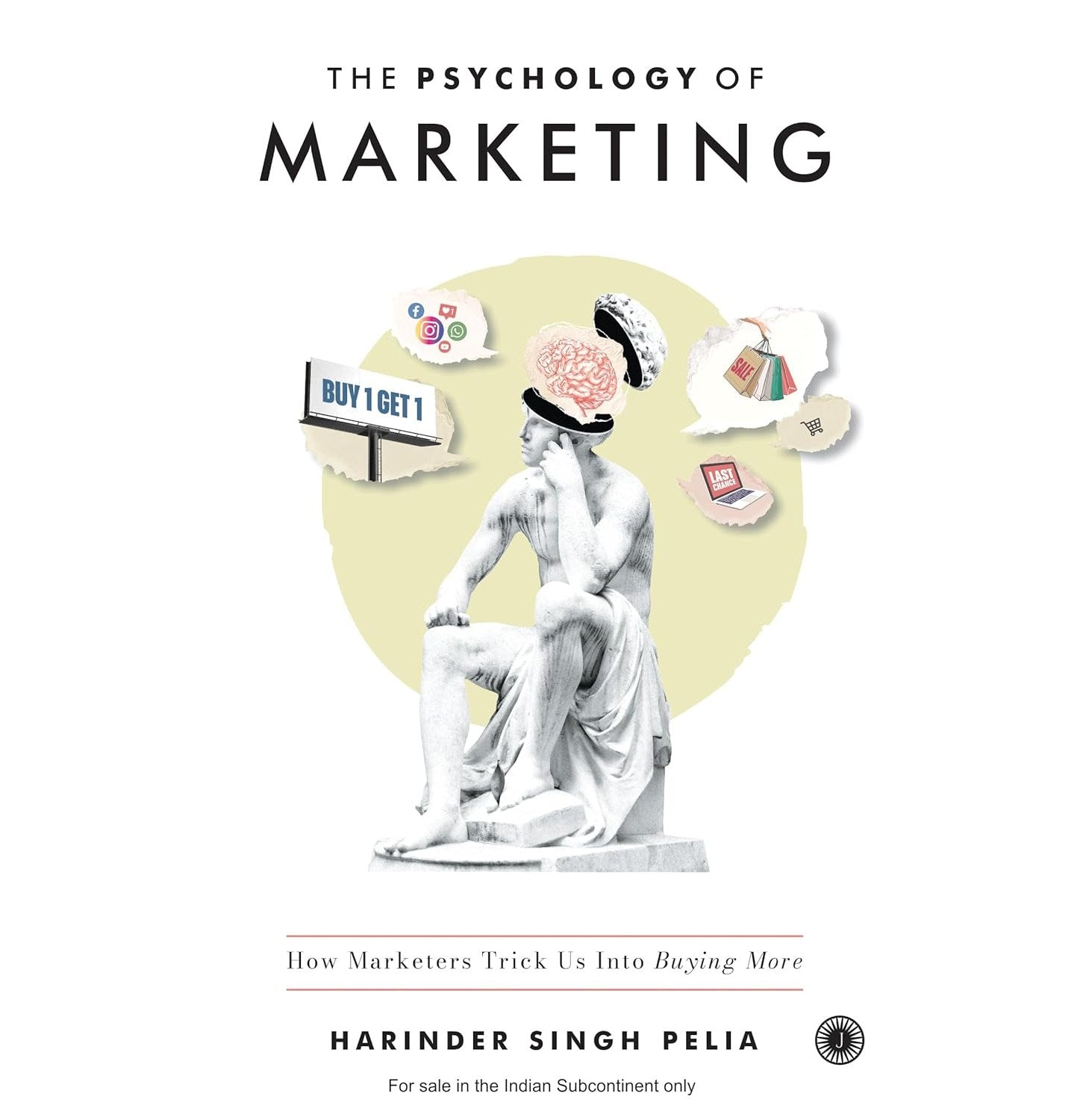
People make decisions through perception, emotion, context, and trust—not only logic.

Genuine curiosity and generosity create relationships that outlast a transaction.
Selected reading · Cover images are loaded from external book retailers and may vary by edition. If a cover is unavailable, the title remains visible. Takeaways reflect my interpretation, not quotations.
Post Graduate Diploma · Leadership & AI–ML · 2021–22
Post Graduate Program · Artificial Intelligence · 2020–21
Post Graduate Diploma · Embedded Systems · 2016–17
B.Tech · Electronics & Communication · 2012–16